Parikabcilacap – Walk through any gaming convention or browse any digital storefront, and an unmistakable pattern emerges. Alongside new releases sit an ever-growing collection of remastered classics, complete remakes of beloved titles, and spiritual successors to franchises long thought dormant. The nostalgia economy has become one of gaming’s most significant forces, with revisiting the past proving nearly as lucrative as inventing the future. This phenomenon reflects not merely commercial calculation but a complex interplay of technology, generational memory, and the unique challenges of game preservation.
Why Remakes Game Dominating Industry Gaming
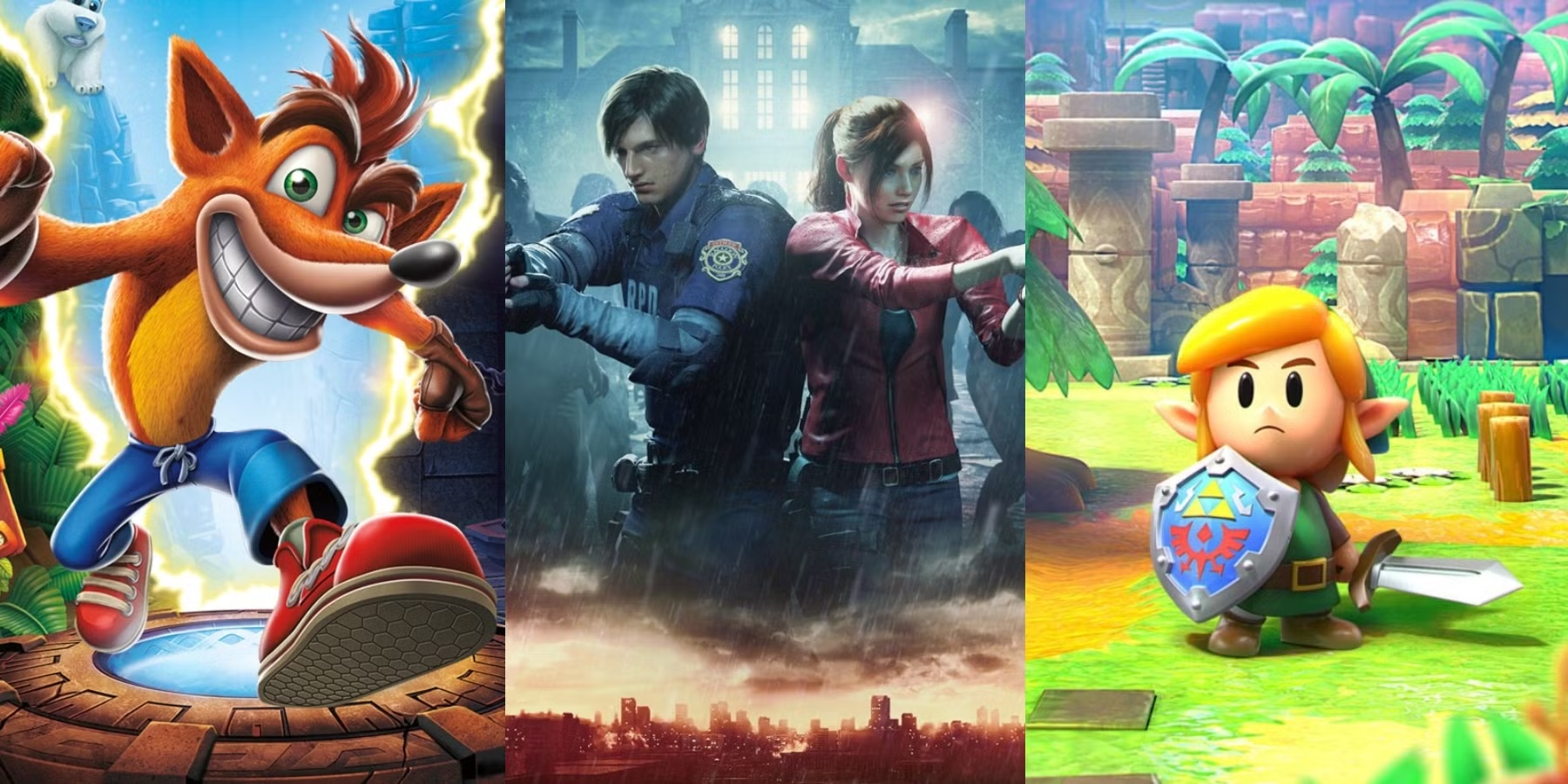
The distinction between remasters and remakes is significant. Remasters take existing games and enhance them for modern hardware, increasing resolution, frame rates, and texture quality while preserving the original experience largely intact. Remakes game from the ground up, reimagining visuals, mechanics, and sometimes entire narrative structures for contemporary audiences. Both approaches serve the same fundamental purpose: making beloved games accessible to players who may have missed them originally or who wish to experience them with modern conveniences.
The commercial success of remakes and remasters has been extraordinary. Titles across the spectrum—from cult classics to blockbuster franchises—have achieved sales that rival or exceed their original releases. The economics are compelling; development costs for remasters are significantly lower than new titles, while remakes leverage existing design foundations to reduce the risk associated with original development. The nostalgia market has proven remarkably resilient, with players willing to pay premium prices for enhanced versions of games they already own.
The technological drivers of the nostalgia economy are clear. Gaming hardware has advanced sufficiently that the gap between original releases and modern capabilities is vast. Classics designed for standard definition displays and limited hardware now benefit from resolution increases, high dynamic range, and solid-state drive loading that transform their presentation. Emulation and backward compatibility have improved, but native versions optimized for current hardware provide the best experience, creating demand for official releases.
The demographic factors are equally significant. Gamers who grew up with the PlayStation 2, Nintendo 64, and original Xbox are now adults with disposable income and nostalgia for the games of their youth. This generation has aged into the demographic most receptive to revisiting formative experiences. Simultaneously, younger players encounter these classics through cultural reference points and seek accessible ways to experience gaming history. Remakes and remasters serve both audiences, providing familiar comfort for older players and historical context for newer ones.
The preservation implications of the nostalgia economy are profound. Gaming faces a preservation crisis, with vast catalogs of titles trapped on obsolete hardware, unplayable on modern systems. Remakes and remasters, however commercially motivated, serve a preservation function, ensuring that significant games remain accessible to future generations. The practice also surfaces questions about what preservation means; does a remaster with altered art assets preserve the original? Does a remake that changes gameplay mechanics honor the original? These questions lack easy answers.
The sustainability of the nostalgia economy is debated. Some critics argue that the industry’s focus on revisiting the past comes at the expense of original creativity, that safe bets on established properties crowd out investment in new ideas. Defenders note that remakes and remasters often fund riskier original development and that nostalgia releases appeal to audiences who might not engage with new properties. The coexistence of established franchises and original IP suggests a balanced ecosystem.
The nostalgia economy reflects gaming’s maturation as a medium. When an art form reaches a certain age, its history becomes a resource to be engaged with, revisited, and reinterpreted. Remakes and remasters are not merely commercial products but dialogues between gaming’s present and its past, acknowledging that the games that shaped players deserve to be experienced by generations that follow.